Amyloid Test: The 4 Main Types and How Microclot Testing Fits
English Narration
At-Home Blood Spot • 6K Video Microscopy • $160
Short answer
An amyloid test detects abnormal, beta-sheet-rich protein aggregates. Because amyloid refers to a misfolded protein shape rather than a single condition, tests differ fundamentally by organ. Neurologists measure brain beta-amyloid in plasma for Alzheimer's, cardiologists use nuclear imaging for cardiac amyloidosis, and specialized microscopists use Thioflavin T to detect persistent microvascular amyloid fibrin microclots in blood.
Key takeaways
- 1The term amyloid describes a cross-beta sheet folding structure that over thirty different human proteins can adopt when misfolded.
- 2Alzheimer's blood tests measure plasma beta-amyloid 42/40 ratios and p-tau217, reflecting central nervous system protein deposition.
- 3Systemic amyloidoses like AL and ATTR affect organs like the heart and kidneys, requiring biopsy with Congo red or nuclear scintigraphy.
- 4Fibrin amyloid microclot testing uses Thioflavin T fluorescence microscopy to detect anomalous, plasmin-resistant clots in circulating blood.
If your doctor mentioned an amyloid test, or if you've been researching persistent post-viral symptoms online, you've probably encountered conflicting information. The medical term amyloid gets used across neurology, cardiology, rheumatology, and hematology, often describing completely unrelated diagnostic procedures.
Amyloid isn't a single disease, virus, or distinct chemical compound. It's an abnormal structural configuration where normal soluble proteins misfold into insoluble, rigid cross-beta sheet fibrils. Because more than thirty different human proteins can misfold into this shape, ordering the right test depends entirely on which tissue and protein you need to investigate.
Comparing the 4 Main Types of Amyloid Tests
To help navigate this diagnostic landscape, the following table breaks down the four primary categories of amyloid testing available in clinical and research medicine today.
| Diagnostic Category | Target Protein | Clinical Objective | Primary Laboratory Method | Typical Clinical Specialty |
|---|---|---|---|---|
| Alzheimer's Blood Biomarkers | Amyloid-beta (Aβ42/40) & p-tau217 | Screen for central nervous system plaques | High-sensitivity plasma immunoassay (CLEIA / mass spec) | Neurology & Memory Clinics |
| Systemic Amyloidosis Workup | Transthyretin (ATTR) or Light Chains (AL) | Identify organ infiltration (heart, kidneys, nerves) | Tissue biopsy with Congo red, PYP scintigraphy, mass spec | Cardiology & Hematology |
| Serum Amyloid A (SAA) | SAA1 / SAA2 Apolipoproteins | Measure systemic acute-phase hepatic inflammation | Quantitative nephelometry or turbidimetry | Rheumatology & Immunology |
| Fibrin Amyloid Microclots | Fibrinogen / Anomalous Fibrin Networks | Visualize microvascular capillary occlusions | Thioflavin T fluorescence video microscopy | Hematology & Research Centers |
Understanding these four distinct silos ensures you don't order an expensive neurological blood panel when you're trying to investigate vascular fatigue, or vice versa. For a granular examination of sample types and preparation methods across all four categories, consult our comprehensive guide on types of amyloid tests.
1. Neurological Amyloid Testing: Alzheimer's Disease
When mainstream healthcare headlines announce a breakthrough amyloid blood test, they almost always refer to neurological screening for Alzheimer's disease. In healthy brains, amyloid precursor protein cleaves normally. In patients developing Alzheimer's pathology, abnormal cleavage creates neurotoxic beta-amyloid peptides that aggregate into extracellular cerebral plaques.
Until recently, verifying brain amyloid required radioactive positron emission tomography (amyloid PET scans) or painful lumbar punctures to extract cerebrospinal fluid. Today, high-precision blood tests measure tiny concentrations of beta-amyloid peptides (Aβ42 and Aβ40) and phosphorylated tau (such as p-tau217) circulating in plasma.
While these tests offer convenient screening for dementia, they provide zero insight into vascular circulation outside the brain. Furthermore, research demonstrates that beta-amyloid peptides actually possess evolutionary functions as antimicrobial defense molecules, which we explore in our paper review of amyloid beta immune defense.
2. Systemic Amyloidosis Testing: AL and ATTR
Systemic amyloidosis is a rare, life-threatening condition where abnormal proteins produced by the bone marrow or liver deposit directly into vital organ tissues. The two most common forms are light chain amyloidosis (AL) and transthyretin amyloidosis (ATTR).
In cardiac amyloidosis, misfolded transthyretin deposits stiffen heart muscle walls, leading to restrictive cardiomyopathy and heart failure. Diagnosing systemic amyloidosis typically involves:
- Serum free light chain assays: Measuring abnormal immunoglobulin production in blood.
- Technetium pyrophosphate (PYP) scintigraphy: Nuclear imaging that selectively illuminates cardiac amyloid deposits.
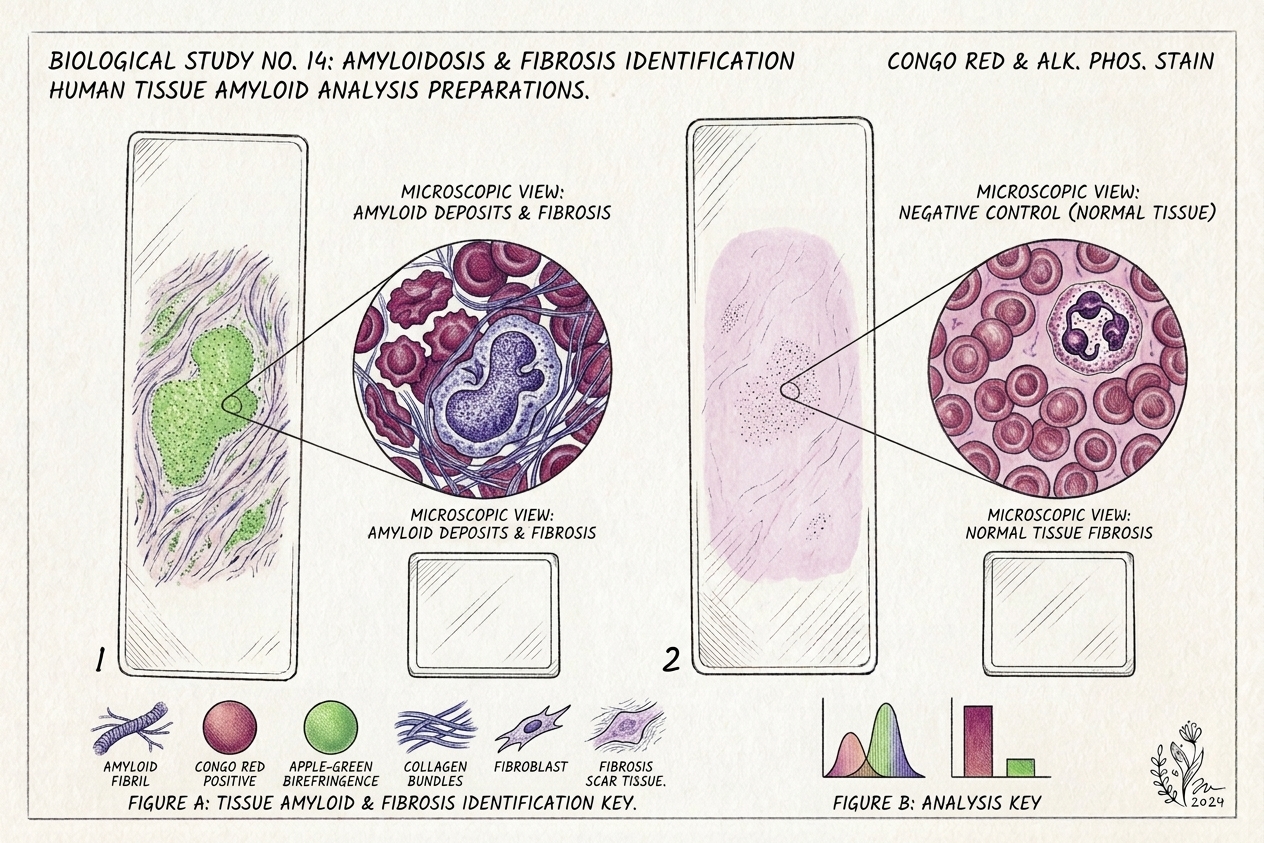
- Tissue biopsy: Sampling fat pad, kidney, or heart tissue and staining it with Congo red dye, which produces apple-green birefringence under polarized light.
These diagnostic workups require specialized hospital equipment and oncological oversight. They don't evaluate circulating microvascular clots.
3. Serum Amyloid A (SAA) Testing: Inflammatory Markers
Serum Amyloid A represents a completely different biological category. SAA is an acute-phase apolipoprotein produced primarily by the liver in response to inflammatory cytokines like IL-6 and TNF-alpha.
When chronic inflammatory disorders (such as rheumatoid arthritis, Crohn's disease, or familial Mediterranean fever) remain uncontrolled for years, sustained high levels of SAA can eventually precipitate into secondary AA amyloidosis in the kidneys.
A standard Serum Amyloid A lab test simply measures soluble protein concentrations in serum using standard turbidimetry. It doesn't look for physical microclots in blood vessels.
4. Fibrin Amyloid Microclot Testing: Vascular Occlusion
The newest and most rapidly growing category of amyloid testing focuses on anomalous blood clotting. In research led by Resia Pretorius, Douglas Kell, and colleagues, scientists discovered that blood clotting proteins can adopt an amyloid conformation following acute viral exposure or chronic inflammation.
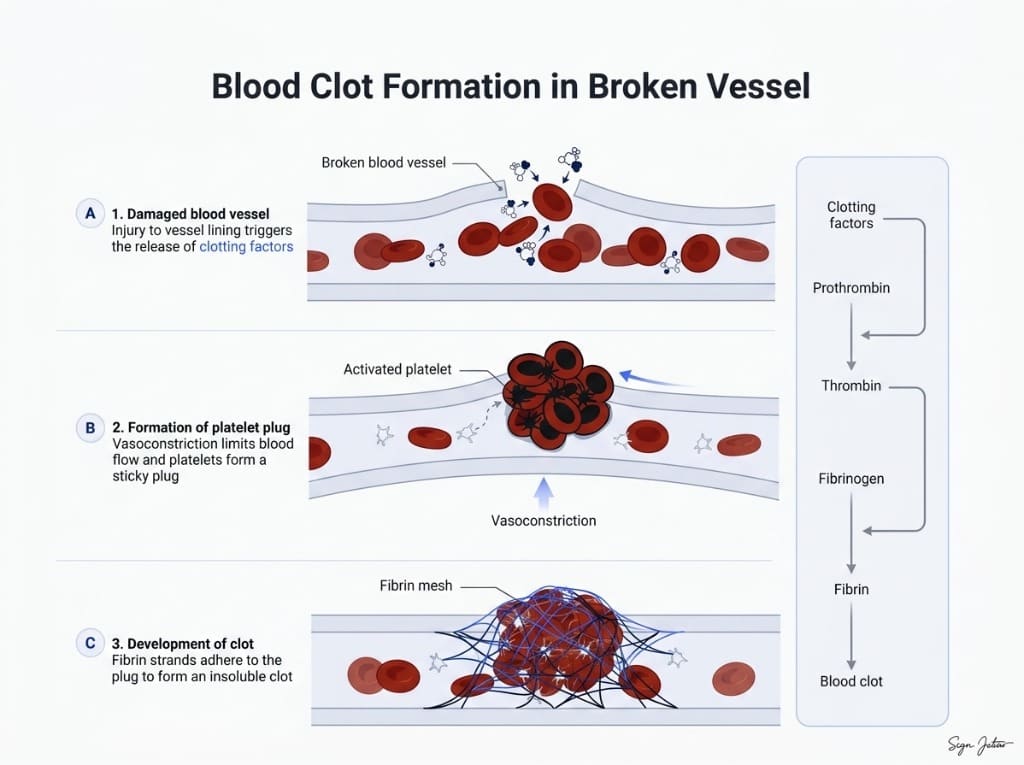
When fibrinogen misfolds, it forms dense, beta-sheet-rich networks termed fibrinaloid microclots. Unlike normal physiological blood clots, these microclots resist natural breakdown by plasmin. They physically lodge in capillary beds, blocking tissue perfusion and triggering symptoms like exercise intolerance, brain fog, and dyspnea.
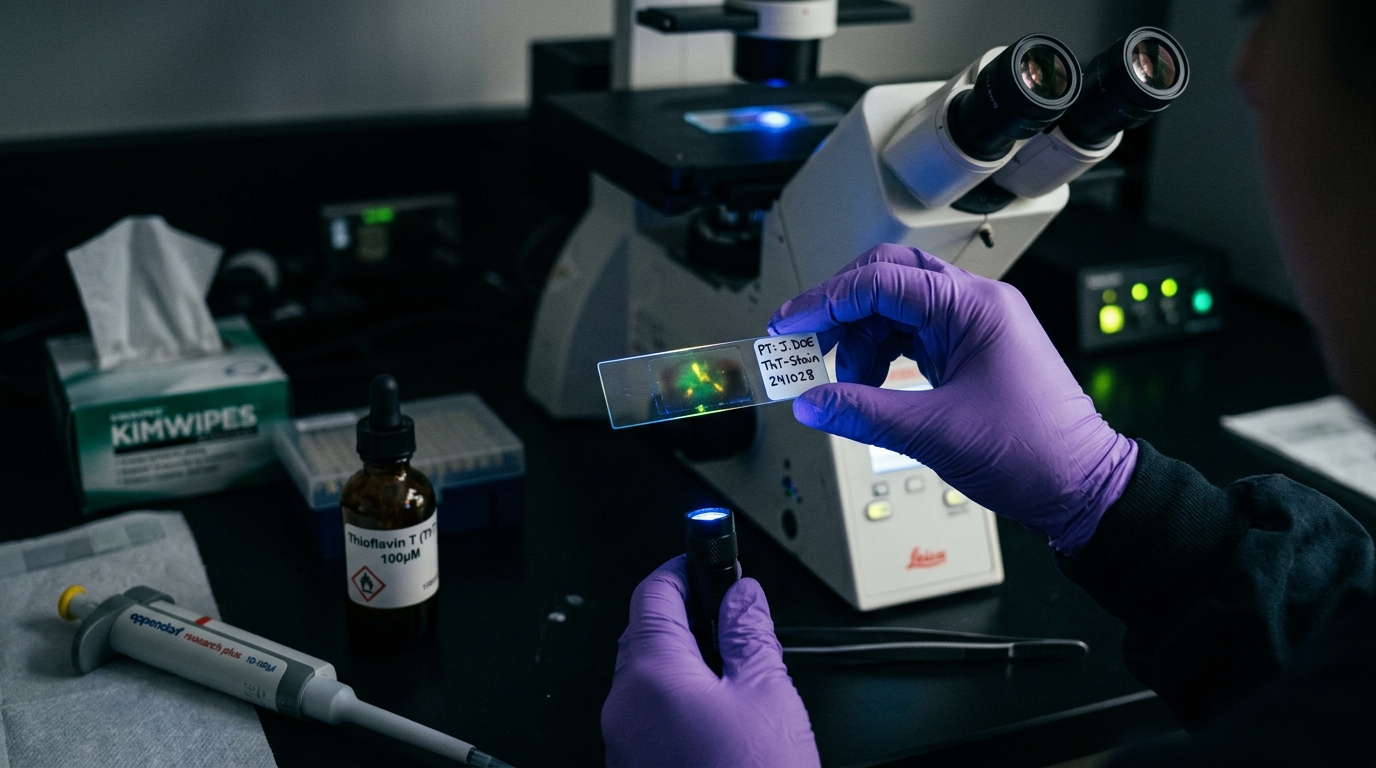
Detecting these deposits requires fluorescent tagging. Laboratories stain blood plasma with Thioflavin T (ThT), a chemical fluorophore that specifically inserts into the pleated beta-sheet grooves of amyloid fibrils. Under ultraviolet illumination, these deposits glow intensely against a dark background, allowing microscopists to quantify clot burden. You can review the step-by-step laboratory mechanics in our pillar guide on the amyloid fibrin test.
The Diagnostic Gap: Why Standard Panels Miss Vascular Amyloid
Patients investigating chronic fatigue or post-viral illness are often puzzled when their standard laboratory workups return completely normal. Routine blood tests measure liquid coagulation parameters like prothrombin time or cell counts; they never inspect blood under fluorescence microscopy.
Even specialized post-viral workups like a spike protein test often leave patients confused because standard commercial assays only count antibodies rather than assessing microvascular damage. If your clotting proteins have folded into an amyloid structure that plasmin can't degrade, D-dimer levels won't spike, leaving traditional clinicians without answers.
That is why specialized testing methodologies are required. We break down the clinical differences between academic research protocols and commercial laboratories in our guide on how to test for microclots.
How to Check Your Fibrin Amyloid Status at Home
Accessing research-grade fluorescence microscopy previously required traveling to specialized centers in South Africa, Germany, or select US research clinics charging thousands of dollars. Today, individuals can screen their microvascular status from home.
Our at-home amyloid test enables patients to collect a dried blood spot via a simple finger-prick and mail the collection card directly to our partner laboratory in Mexico City. The laboratory rehydrates the sample, stains it with Thioflavin T, and records high-resolution 6K RAW video microscopy at 20x magnification under UV lighting.
Trained technicians evaluate the footage to document the presence, size, and morphological grading of amyloid fibrils. You receive a comprehensive Videographic Microscopy Report in a secure portal within one day of the lab receiving your sample, giving you objective observational data to share with your healthcare team.
Choosing the Right Test for Your Symptoms
Before ordering any lab panel, align your testing choice with your clinical objectives:
- For memory loss and cognitive decline: Consult a neurologist for plasma p-tau217 and Aβ42/40 ratio testing.
- For unexplained heart failure or neuropathy: See a cardiologist or hematologist for PYP scintigraphy and light chain panels.
- For post-viral fatigue, brain fog, and vascular symptoms: Screen for anomalous microvascular clotting with an amyloid fibrin microscopy evaluation.
Frequently asked questions
Is there a single blood test for all amyloid conditions?
No. Because amyloid is a structural folding pattern rather than a single molecule, tests are protein- and organ-specific. A plasma test for Alzheimer's beta-amyloid cannot detect cardiac transthyretin deposits, and standard systemic amyloidosis workups cannot visualize circulating fibrin amyloid microclots.
Can a routine complete blood count show amyloid deposits?
No. Routine blood counts, basic metabolic panels, and standard clotting tests like D-dimer and fibrinogen only measure suspended cell numbers and liquid coagulation speed. Detecting amyloid requires conformational fluorescent dyes like Thioflavin T or histological Congo red staining under polarized light.
What is the difference between beta-amyloid and fibrin amyloid?
Beta-amyloid consists of cleaved amyloid precursor protein fragments associated with brain plaques in neurodegenerative disease. Fibrin amyloid describes blood clotting proteins, specifically fibrinogen, that misfold into insoluble beta-sheet networks during post-viral or inflammatory states.
Does this at-home amyloid test check for Alzheimer's disease?
No. Our at-home amyloid test is an observational laboratory assay evaluating microvascular fibrin microclots in dried blood. It does not measure plasma p-tau, does not evaluate brain tissue, and is not a test for Alzheimer's dementia or systemic AL/ATTR amyloidosis.
Sources
- A central role for amyloid fibrin microclots in long COVID/PASC: origins and therapeutic implications. Biochemical Journal, 2022
- Amyloidogenesis of SARS-CoV-2 Spike Protein. Journal of the American Chemical Society, 2022
- Cardiovascular and haematological pathology in long COVID. Nature Reviews Cardiology, 2024
- Detection of amyloid fibrils in Parkinson's disease using Thioflavin T fluorescence. Biochimica et Biophysica Acta, 2010
At-Home Amyloid Test
Check Your Microvascular Amyloid Status
Order an at-home collection kit to screen dried blood samples for amyloid fibrin microclots under 6K video microscopy.
Next steps
- Amyloid Fibrin Test: How Fibrin Amyloid Microclots Are DetectedWhat an amyloid fibrin test is, how Thioflavin T microscopy spots fibrin amyloid microclots, how it differs from D-dimer, and what it can't tell you.
- Amyloid Fibril Test: Methods Used to Detect Amyloid FibrilsHow an amyloid fibril test works: Thioflavin T, Congo red, electron microscopy, X-ray diffraction and seeding assays compared, with which are clinical.
- Types of Amyloid Tests: Blood Tests, PET, CSF, Biopsy and MicroclotsCompare the types of amyloid tests: Alzheimer's blood tests, amyloid PET, spinal fluid, amyloidosis biopsy and fibrin amyloid microclot microscopy.

Tim Ottowitz
Founder & Research Lead
Tim Ottowitz founded Amyloid Test and writes its Science Hub, turning fibrin amyloid and spike protein research into plain-language guides that stay close to the published evidence.
Keep reading
At-Home Microclot Test vs Clinic: Cost, Labs, and Accuracy
Compare at-home microclot tests with in-person clinic testing. Examine cost, wait times, sample stability, and 6K ThT fluorescence microscopy methods.
D-Dimer vs Microclot Test: Why a Normal D-Dimer Can Miss Microclots
D-dimer vs microclot test compared: what each measures, why D-dimer can read normal in Long COVID, and how Thioflavin T microscopy finds fibrin amyloid.
Amyloid Microclots Blood Test: Methods, Costs, and Home Kits
How to get an amyloid microclots blood test. Compare hospital research protocols with at-home ThT fluorescence microscopy kits, pricing, and turnaround.