Amyloid RNA Delivery: How Seminal Fibrils Shuttle Genetic Cargo
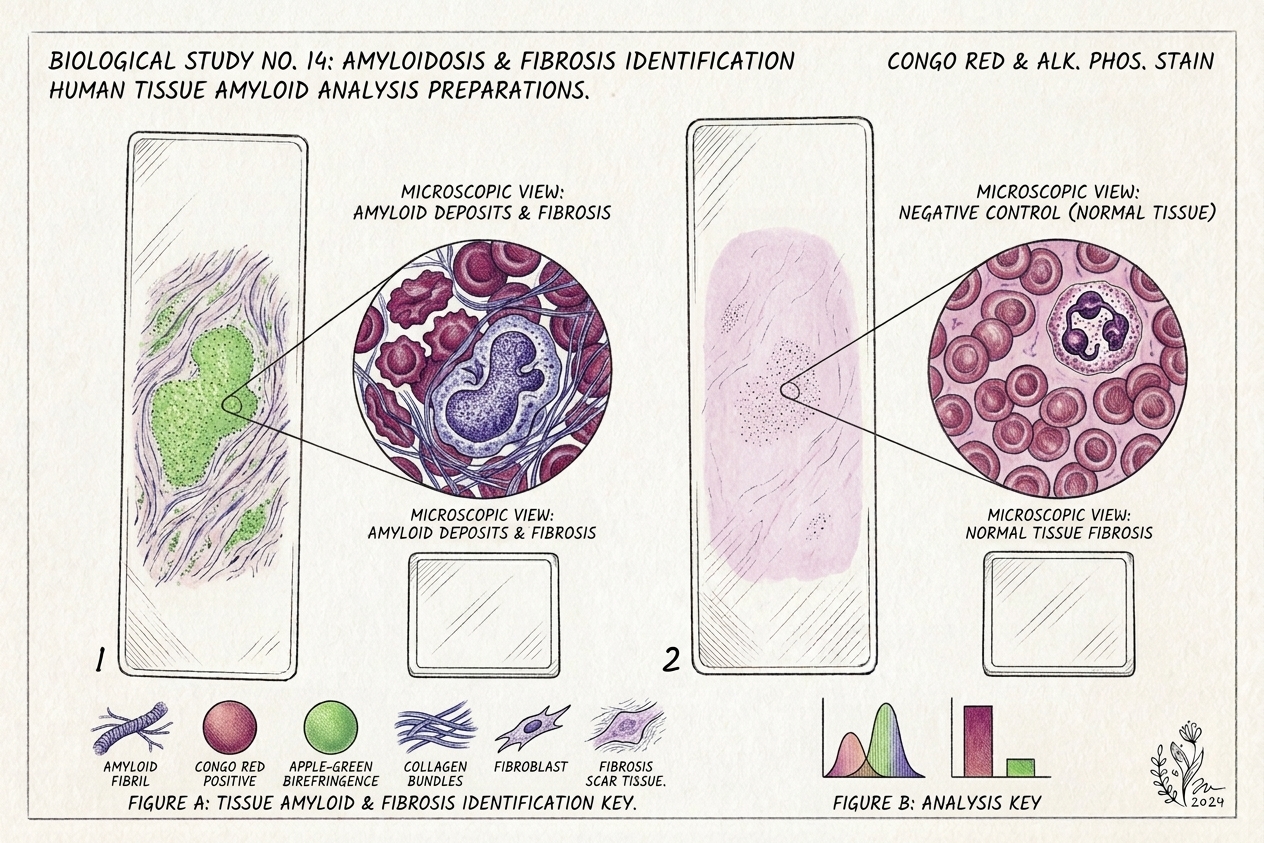
Short answer
Amyloid RNA delivery is a biological process where amyloid fibrils in seminal fluid bind negatively charged RNA, protect it from degradation, and carry it into sperm cells. Discovered by Columbia University researchers in 2026, these functional amyloids use positive surface charges to bind genetic cargo. The chaperone protein clusterin releases the RNA inside cells, enabling paternal epigenetic inheritance and offering a blueprint for non-viral gene delivery.
Key takeaways
- 1Columbia University researchers discovered that amyloid fibrils in semen naturally bind RNA and transport it inside sperm cells.
- 2Positive surface charges on the amyloid fibrils attract negatively charged RNA, shielding fragile genetic material from enzymatic breakdown.
- 3The extracellular chaperone clusterin acts as a release trigger, separating RNA from the amyloid scaffold once inside the cell.
- 4Embryos created with amyloid-delivered reporter RNA produced tenfold more target protein than those exposed to RNA alone.
- 5This mechanism reframes amyloids beyond brain pathology, highlighting functional amyloids as potential non-viral delivery vectors for gene therapies.
Amyloid fibrils are infamous for their link to neurodegenerative disorders like Alzheimer's and Parkinson's disease. Yet a growing body of structural biology shows that amyloid folds also serve essential biological jobs. A 2026 study in Molecular Cell from Columbia University's Zuckerman Institute reveals that seminal amyloid fibrils act as natural genetic couriers, binding and escorting paternal RNA directly into sperm cells. This explainer covers how that transfer works, why it matters for epigenetic inheritance, and how it could shape non-viral gene therapies.
The paper, titled "Amyloid-mediated RNA uptake by sperm for embryonic delivery," was led by William Mallen and Anthony Fitzpatrick. It solves a long-standing reproductive puzzle while providing fresh perspectives on functional amyloids in human biology.
Why are amyloids present in human semen?
Most people think of amyloid as pathological plaque. But as discussed in our guide to amyloid-beta immune defense, biology often employs the cross-beta fibril structure for purposeful mechanical tasks. Bacteria assemble curli amyloid fibrils to anchor biofilms, and human melanocytes use amyloid sheets to synthesize melanin safely.
In human semen, amyloid fibrils were first identified in 2007 as enhancers of viral transmission. Researchers found that fragments of prostatic acid phosphatase assemble into positively charged amyloid threads, termed SEVI (Semen-derived Enhancer of Virus Infection). These fibrils bound retroviral particles like HIV and sped up their fusion with target immune cells.
That viral observation raised an obvious evolutionary question: why would human seminal plasma produce large quantities of amyloid fibrils if their only effect was aiding infection? Fitzpatrick and Mallen suspected the virus was hijacking an existing, beneficial physiological mechanism designed for nucleic acid transport.
How does amyloid RNA delivery work?
Seminal fluid contains high concentrations of small regulatory RNAs. These molecules are known to transmit paternal signals, like metabolic adaptations and stress responses, to the next generation. Yet free RNA is notoriously fragile and carries a strong negative charge, which usually repels negative cell membranes. The Columbia team mapped how seminal fibrils overcome these barriers in three coordinated steps.
Electrostatic binding and structural protection
Seminal amyloid fibrils carry a net positive surface charge at physiological pH. Because RNA molecules possess a negatively charged phosphate backbone, the two species attract each other rapidly in fluid.
Using fluorescent dyes, the researchers verified that seminal amyloids wrap RNA molecules in a protective coat. This amyloid shield prevents extracellular ribonuclease enzymes from chewing up fragile transcripts before they reach their destination.
Cellular internalization confirmed by cryo-ET
Binding RNA is useless if the complex stays outside the cell. To see whether amyloids actually penetrate sperm cells, Mallen and colleagues used cryo-electron tomography (cryo-ET), an advanced microscopy technique that provides near-atomic three-dimensional views of frozen specimens.
By tagging the amyloid fibrils with gold nanoparticles, the team captured direct visual proof: the fibrils crossed sperm membranes and accumulated in the interior cytoplasm. They were not merely stuck to the outer cell membrane. They successfully entered the sperm head and midpiece.
Clusterin-mediated cargo release
Once inside the sperm cell, the genetic cargo has to detach from its amyloid carrier to function. If RNA remained permanently glued to the fibril, cellular machinery could not read or translate it.
The researchers discovered that clusterin, an extracellular molecular chaperone found abundantly in seminal plasma and reproductive tissues, triggers this separation. Clusterin interacts with the amyloid fibril surface and prompts the release of active, intact RNA molecules ready for embryonic delivery.
How does amyloid delivery compare to existing RNA vectors?
Modern medicine struggles with delivery vectors. Delivering mRNA, siRNA, or CRISPR gene-editing machinery into living cells usually relies on engineered viruses or lipid nanoparticles (LNPs). While effective, both approaches carry known drawbacks, including immunogenicity, tissue accumulation, and manufacturing bottlenecks.
The table below contrasts natural seminal amyloid RNA delivery with the leading clinical platforms, such as the elastin carriers detailed in our protein nanoparticles for mRNA delivery review.
| Delivery vehicle | Carrier composition | Binding mechanism | Cellular release trigger | Key limitation or risk |
|---|---|---|---|---|
| Seminal amyloid fibrils | Endogenous human peptides (cross-beta) | Electrostatic surface binding | Chaperone-mediated (clusterin) | Preclinical status; tissue targeting untested |
| Engineered protein nanoparticles | Elastin-like polypeptides (ELP) | Encapsulation or fusion | Endosomal escape peptides | Early preclinical phase; immunogenicity unknown |
| Lipid nanoparticles (LNPs) | Ionizable lipids, cholesterol, PEG-lipids | Hydrophobic and electrostatic lipid shell | Endosomal protonation and membrane fusion | High liver uptake; potential PEG reactogenicity |
| Adeno-associated virus (AAV) | Viral protein capsid | Genetic packaging inside capsid | Endosomal escape and nuclear uncoating | Pre-existing neutralizing antibodies; vector size limits |
In fertilization experiments, sperm pre-incubated with amyloid-bound reporter mRNA generated embryos that produced tenfold more target protein than sperm exposed to naked RNA. This high efficiency demonstrates that functional amyloids can transfer functional genetic material without synthetic lipid shells.
What does this mean for epigenetic inheritance?
Epigenetics describes how environmental factors alter gene activity without changing the underlying DNA code. Recent rodent and human studies show that paternal diet, exercise, and metabolic disease can shape offspring health, but the physical messenger between seminal plasma and sperm remained unclear.
The discovery of amyloid RNA delivery provides the missing link. Seminal amyloids collect small non-coding RNAs secreted by male reproductive glands and deposit them directly into sperm cells prior to fertilization.
Understanding this natural vehicle could clarify how acquired conditions like insulin resistance are passed down paternal lineages. It also suggests that disruptions in seminal amyloid formation or chaperone balance might contribute to unexplained male factor infertility.
Where does blood amyloid testing fit in?
Because amyloids share a core cross-beta structure, patients reading about seminal amyloids frequently ask whether medical amyloid tests measure these reproductive fibrils. The short answer is no.
Medical tests are targeted to specific anatomical compartments and distinct proteins, as outlined in our overview of types of amyloid tests. Alzheimer's blood tests evaluate p-tau217 and amyloid-beta in plasma, while systemic amyloidosis requires biopsy and mass spectrometry.
Our at-home amyloid test focuses exclusively on blood clotting. It uses a finger-prick dried blood sample mailed to our partner laboratory in Mexico City. The lab stains the specimen with Thioflavin T (ThT), a fluorescent dye that binds beta-sheet-rich fibrils, and records 6K 12-bit RAW video microscopy at 20x magnification under UV illumination.
The resulting Videographic Microscopy Report provides observational data for research and informational purposes, helping clinicians assess fibrin amyloid microclot morphology. It does not measure seminal amyloids, evaluate sperm health, detect brain plaques, or diagnose systemic amyloidosis.
What to explore next
The discovery of amyloid RNA delivery reinforces an important truth in modern biochemistry: the cross-beta amyloid fold is not merely a marker of disease, but a fundamental biological architecture used throughout the human body.
To learn more about how amyloid fibrils behave across different organs and research disciplines, explore these related resources:
- Read about the spike amyloid cross-seeding study to understand how viral fragments interact with neurodegenerative proteins.
- Consult our amyloid fibril test guide for an in-depth breakdown of Thioflavin T staining, Congo red, and cryo-EM methods.
- Review our analysis of protein nanoparticles for mRNA delivery to see how other non-lipid carriers are being developed for CRISPR and gene therapy.
- Examine how innate immunity relies on fibril assembly in our amyloid-beta immune defense explainer.
Frequently asked questions
What are functional amyloids in semen?
Functional amyloids are structured protein fibrils produced naturally in human semen, including fragments of prostatic acid phosphatase and semenogelins. Unlike pathological amyloids linked to Alzheimer's or systemic amyloidosis, seminal amyloids serve physiological roles. They carry positive charges that bind nucleic acids, stabilize macromolecules against enzymatic degradation, and assist with cellular uptake during reproduction.
How does amyloid RNA delivery differ from lipid nanoparticles?
Lipid nanoparticles encapsulate RNA inside synthetic ionizable lipid spheres that fuse with cell membranes or enter through endocytosis. In contrast, amyloid RNA delivery uses human protein fibrils that bind RNA electrostatically on their outer surface. This protein-based scaffold avoids synthetic PEG lipids and liver accumulation, and relies on endogenous chaperones like clusterin to release the intact cargo.
Does this study mean Alzheimer's disease causes infertility?
No. The amyloid fibrils studied in seminal fluid are formed from distinct reproductive proteins such as semenogelin and prostatic acid phosphatase, not the amyloid-beta peptide found in Alzheimer's plaques. While both share the cross-beta sheet architecture that defines all amyloids, seminal amyloids perform a normal reproductive role in transporting paternal RNA rather than driving neurodegenerative cell loss.
Could amyloids be used for CRISPR or mRNA therapies?
Yes, researchers are exploring this possibility. Because seminal amyloids successfully carried large mRNA transcripts encoding green fluorescent protein into sperm and increased embryonic expression tenfold, they might serve as non-viral delivery vehicles. However, all current data are preclinical in cell models, and extensive safety, immunogenicity, and biodistribution trials are needed before any clinical application.
Sources
- Amyloid-mediated RNA uptake by sperm for embryonic delivery. Molecular Cell, 2026
- Protein fibers, a hallmark of Alzheimer's, spotted making genetic deliveries to sperm cells. Phys.org, 2026
- Semen-derived amyloid fibrils drastically enhance HIV infection. Cell, 2007
- Self-assembling protein nanoparticles for cytosolic delivery of nucleic acids and proteins. Nature Biotechnology, 2025
- Atomic structures of amyloid cross-β spines reveal varied steric zippers. Nature, 2007
At-Home Amyloid Test
Curious what amyloid looks like in your own blood?
See how our at-home amyloid fibrin test works, and review the report with a qualified clinician.
Next steps
- Spike Protein and Alzheimer's: The Spike Amyloid Cross-Seeding StudySpike protein amyloid sped up misfolding of Alzheimer's amyloid-beta and prion protein in a lab study. What it shows about the brain, and what it doesn't.
- Types of Amyloid Tests: Blood Tests, PET, CSF, Biopsy and MicroclotsCompare the types of amyloid tests: Alzheimer's blood tests, amyloid PET, spinal fluid, amyloidosis biopsy and fibrin amyloid microclot microscopy.
- Nattokinase for Microclots: What Studies Show About Enzyme TherapyDoes nattokinase dissolve microclots? A plain review of the lab evidence for nattokinase, lumbrokinase and serrapeptase, plus the safety risks.

Tim Ottowitz
Founder & Research Lead
Tim Ottowitz founded Amyloid Test and writes its Science Hub, turning fibrin amyloid and spike protein research into plain-language guides that stay close to the published evidence.
Keep reading
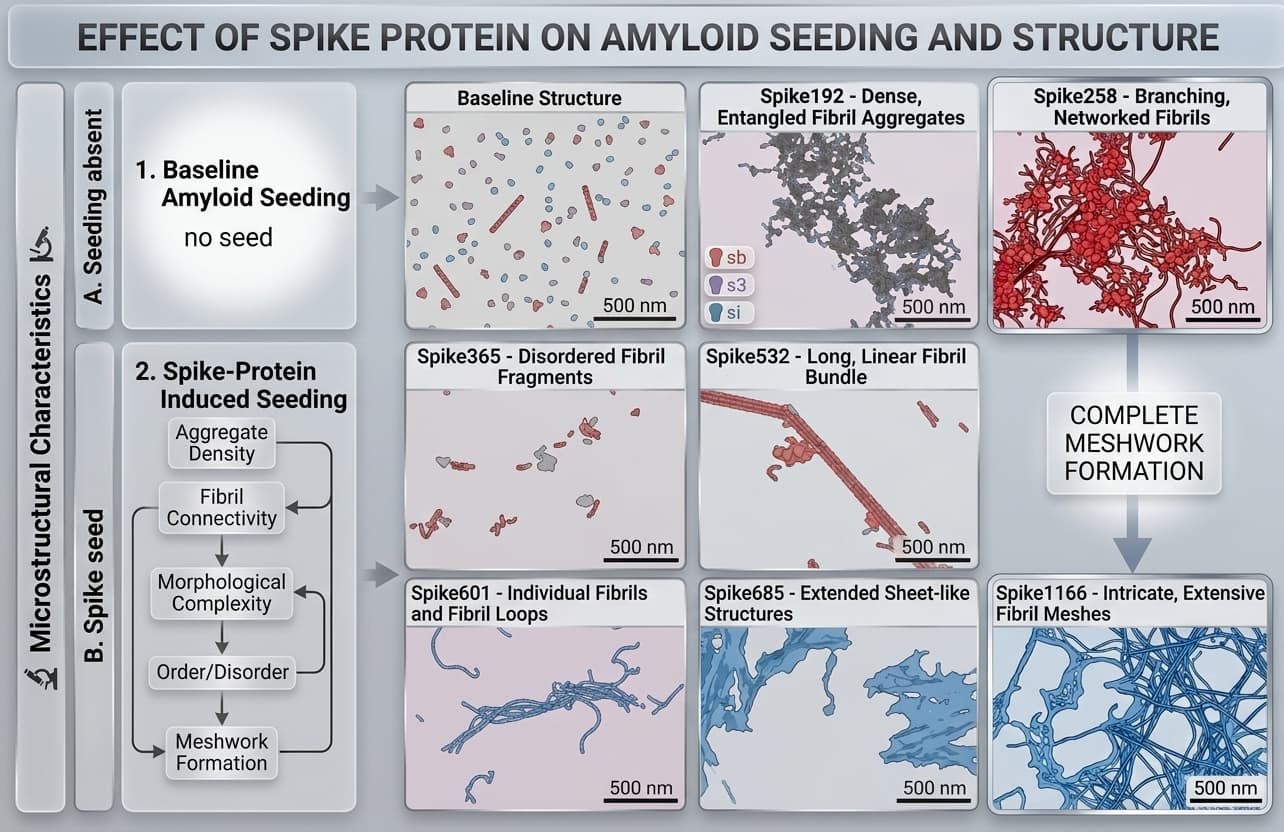
Is Spike Protein a Prion? What a 2026 Prion-Like Domain Review Shows
Is spike protein a prion? A 2026 review links spike prion-like domains to amyloid-beta and tau cross-seeding. Here's what's proven and what isn't yet.
Amyloid-Beta Antimicrobial Peptide: Amyloid as an Immune Defense
Is amyloid-beta an antimicrobial peptide? How amyloid works as immune defense, what Meytal Landau's lab showed, and where spike protein fits in.
Protein Nanoparticles for mRNA Delivery: A Lipid-Free Alternative
How a Harvard team built ENTER, a lipid-free protein nanoparticle that carried mRNA, CRISPR and siRNA in cells and mice, and what the data can't show.